Vocabulary Lesson
Learn 12 Essential Nouns Related to Social Movements
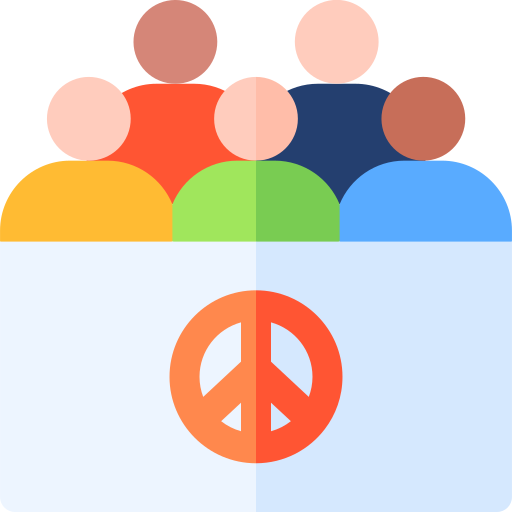
Movement
NOUN - Basic
A large group of people working together for a shared goal.
Social media makes it easier for a movement to spread quickly and gain support.

Cause
NOUN - Basic
A reason or goal that people support or fight for, like protecting the environment or fighting for equality.
People often contribute time or money to support a cause they believe in.

Activist
NOUN - Intermediate
A person who takes action to support or fight for a cause they care about, like speaking up, organizing events, or protesting.
Many famous leaders in history were influential activists.

Grassroots
NOUN - Advanced
A movement or campaign that is started by ordinary people, rather than by organizations or institutions.
Grassroots initiatives, like local environmental clean-ups, often rely on volunteers and donations.
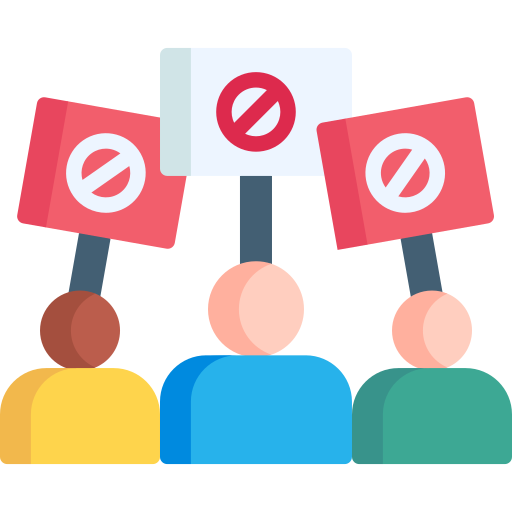
Protest
NOUN - Basic
A gathering of people to express disagreement publicly.
A protest often includes signs, chants, and speeches.

March
NOUN - Basic
A walk by a group to show support for a cause.
A march often takes place in busy areas to attract attention.

Rally
NOUN - Intermediate
A large meeting to support a cause, with speeches and cheering.
Rallies can take place in parks, streets, or public buildings.

Solidarity
NOUN - Intermediate
Unity among people with a common interest or cause, creating strength through collective support.
Showing solidarity can be as simple as wearing a pin or sharing a post.
Reform
NOUN - Intermediate
A change to improve something, often a system or law.
Common reforms include education reform to improve schools or healthcare reform to expand access.
Petition
NOUN - Intermediate
A document people sign to support a cause.
Large petitions, like those for climate action, can lead to changes in laws, policies, or company practices.

Boycott
NOUN - Intermediate
A refusal to buy or use something to protest or show disapproval.
Consumers often organize boycotts, such as those targeting unethical labor practices, to pressure companies to change.

Strike
NOUN - Basic
When workers stop working to demand better pay, conditions, or rights.
Unions usually play a big role in organizing a strike.
Quiz
Practice your vocabulary with a free 10-Question Comprehension Quiz
Social Movements
Comprehension Quiz
Next Exercise:
Art Nouns & Quiz